Morris K. Udall Center at the University of Rochester (UR-Udall Center)
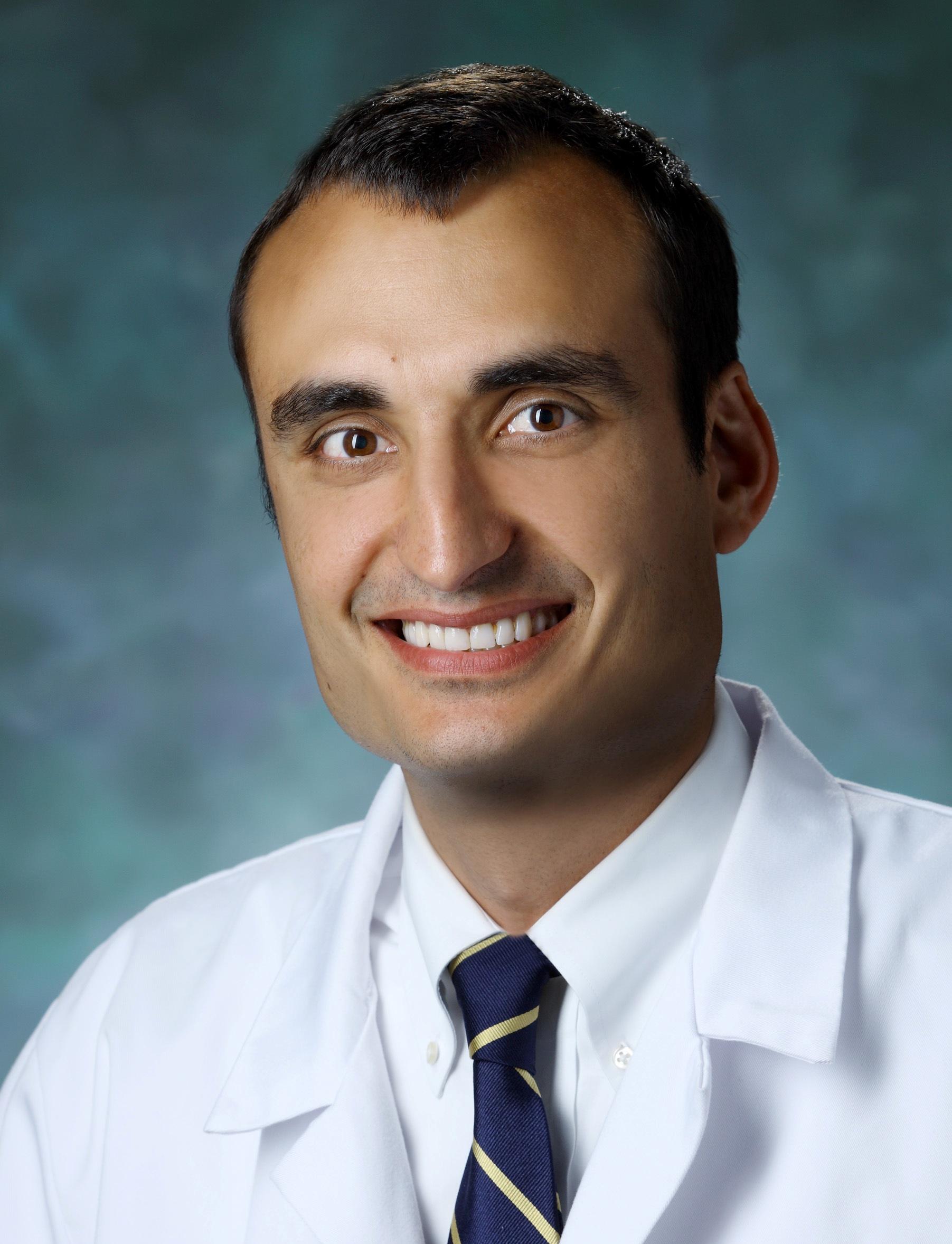
E. Ray Dorsey, PhD
PI:
E. Ray Dorsey, PhD
University of Rochester

Summary

Anyone anywhere should be able to participate in research, benefit from resulting therapeutic advances, and receive care for Parkinson disease. The Udall Center at the University of Rochester will help meet this challenge by developing, evaluating, and disseminating new tools, including disease models, virtual visits, and objective measures of PD. This new approach will engage participants nationally, accelerate evaluation of new therapies, and help address the rising burden of Parkinson disease.

Study Information

Title: Development and validation of novel Parkinson disease measures using sensor-based technologies
PI Name: Ray Dorsey
Keyword and Label: Udall, SUPERPD
Repository: Parkinson's Disease Biomarker Program
Status: Controlled Access
Funding Source: NIH-NINDS
Abstract: Our overarching goal is to increase the efficiency of Parkinson disease (PD) clinical trials by identifying novel, objective outcome measures that can be obtained remotely in real-world settings and have increased sensitivity to the effects of interventions (to more easily detect change and reduce required sample sizes). To this end, we will conduct an in-person validation and comparison study of multiple novel technologies, including a smartphone application (mPower 2.0), wearable sensors (MC10), video analytics, and a radio wave sensing device (Emerald).
Goals: • Research Aim 1: To assess the correlation between the measurements collected through multiple sensing devices (mPower 2.0, wearable sensors, video analytics, Emerald) and traditional in-person assessments (e.g. Movement Disorder Society – Unified Parkinson’s Disease Rating Scale). • Research Aim 2: To assess responsiveness of the novel measures relative to traditional in-person assessments (e.g. Movement Disorder Society – Unified Parkinson’s Disease Rating Scale) in differentiating PD participants from controls, detecting change over time, and to the effect of dopaminergic medication. • Research Aim 3: To determine whether novel summary PD severity measures capture disease features that are not captured by traditional in-person assessments (e.g. the Movement Disorder Society – Unified Parkinson’s Disease Rating Scale). • Research Aim 4: To compare the predictive power of the longitudinal trajectories obtained from different sensing devices in evaluating PD progression. • Research Aim 5: To explore whether measurements collected through different sensing modalities can be combined and used to create summary measures of PD progression, build a longitudinal PD progression model, or make clinical PD predictions.
Study ID: PDBP-STUDY0000263
Data Type: Clinical Assessment
Study Type: Observational
Grant ID: P50 NS108676
Study Started On: 2019-05-14
Study Completed On: 2023-07-31
Estimated number of Subjects: 50

Abstract

The number of people affected by Parkinson disease (PD) has doubled over the past 25 years and is projected to double again in the next 25. Current approaches to addressing this “pandemic” are inadequate. Trials are not informed by disease and simulation models. Participation in research is burdensome and is limited to individuals who live near research centers. Traditional PD measures are subjective, episodic, and insensitive resulting in large, long, expensive trials that generate false signals of efficacy, both positive and negative. 

Aims

A Udall Center at the University of Rochester (UR-Udall Center) will address these barriers and feature the following:

1. An Administrative Core that supports national research studies, reaches hundreds of thousands, and trains the first generation of PD investigators spanning clinical research and computational science

2. An Advanced Analytics Research Core that combines biostatistical and computer science expertise

3. A Clinical Core that will conduct both virtual and in-person PD assessments nationally and locally

4. Four research projects that will address nine NINDS PD 2014 recommendations. These projects will:
a.) Develop predictive disease models and clinical trial simulation tools for the PD research community
b.) Conduct the first U.S. virtual natural history cohort study of LRRK2 carriers
c.) Advance a second-generation smartphone research application (mPower) and calculate a novel mobile Parkinson disease score that quantifies PD symptoms from participants anywhere, anytime
d.) Develop passive sensors, including wearable sensors, video analytics, and radio waves, to measure the motor and non-motor features of PD in real-world settings The UR-Udall Center will develop, evaluate, and disseminate novel tools and technologies to accelerate PD research with an audacious goal of enabling anyone anywhere to participate in research, to benefit from the resulting therapeutic advances, and to receive care.

Participate

Meghan Pawlik
PDBP Clinical Coordinator